Where inkjet fits in a responsive book production plan
An on-demand session examining how digital workflows and shorter runs can support replenishment, reduce some inventory exposure and alter production scheduling.
Strategic and practical intelligence on printing technology, paper, specifications, distribution and the production choices that move a book from file to reader.
Selected analysis for publishers balancing capacity, run length, unit economics, inventory exposure and delivery expectations.
An on-demand session examining how digital workflows and shorter runs can support replenishment, reduce some inventory exposure and alter production scheduling.
Five durable questions for publishers and printers considering demand, technology and capacity.
Earlier market analysis offers context, but present quotes, lead times and availability require fresh verification.
A practical archive briefing on shorter runs, testing demand and managing reprints.
Historical reporting reframed for research. These stories document events at the time, not current proceedings or operating conditions.

Archived court coverage records an earlier stage of scrutiny around concentration in large-scale printing.

This historical report illustrates why publishers monitor sourcing, landed cost and policy timing.
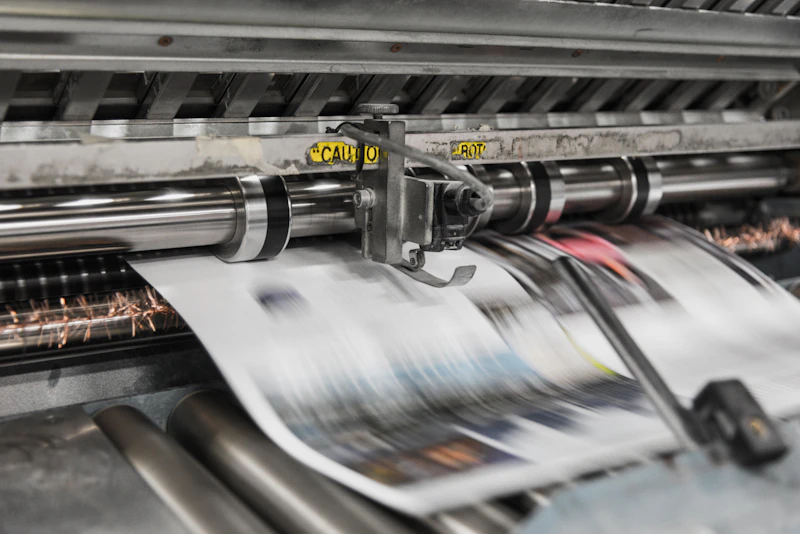
An archive account of the legal challenge and the supply-chain questions raised at the time.

Historical restructuring coverage focused on the site’s changed role and workforce implications.

The retained report documents an earlier insolvency proceeding and its production-market context.

An archive summary of concerns about printing capacity, choice and long-run market concentration.
Evergreen archive material on production models, distribution and the operational role of print.
A clear production review connects editorial intent with manufacturing constraints and verified supplier information.
Confirm format, extent, paper, color, binding, quantity, territories and required delivery dates.
Evaluate offset, digital and print-on-demand routes against the title’s demand profile.
Check current quotations, capacity, proofs, tolerances, freight assumptions and contingency options.
Track sales, inventory and reprint triggers so later production decisions use current evidence.
Context for using Book Biz Mag’s manufacturing desk and its archive.
Printing methods, paper, binding, manufacturing capacity, inventory, distribution and the operational implications of production decisions.
No. Historical figures and market conditions require confirmation from current supplier information before they inform a production decision.
They are paraphrased as archive summaries and labelled with review dates. They document earlier events rather than current proceedings or policy.
The appropriate choice depends on format, quantity, schedule, quality requirements and total cost. Digital methods often suit responsive or shorter runs, while offset may be efficient at other volumes.
No. The site provides editorial context and planning questions rather than supplier endorsements.
Visit the webinars page or review the linked on-demand sessions on this page.
Email info@bookbizmag.com-html.com.